Mar. 12, 2026
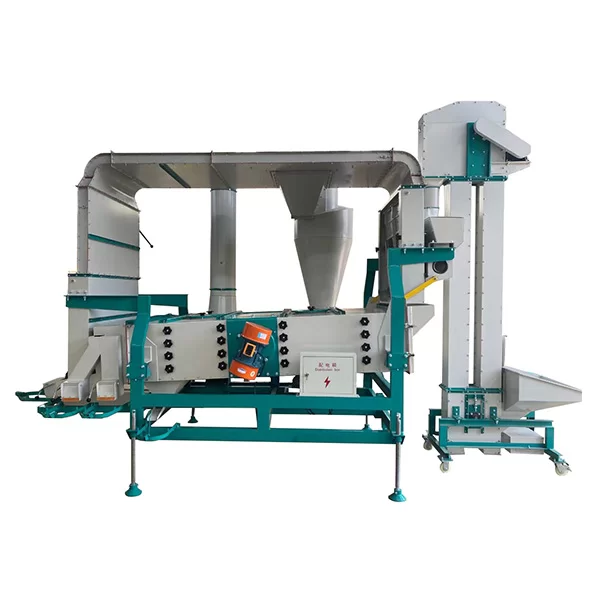
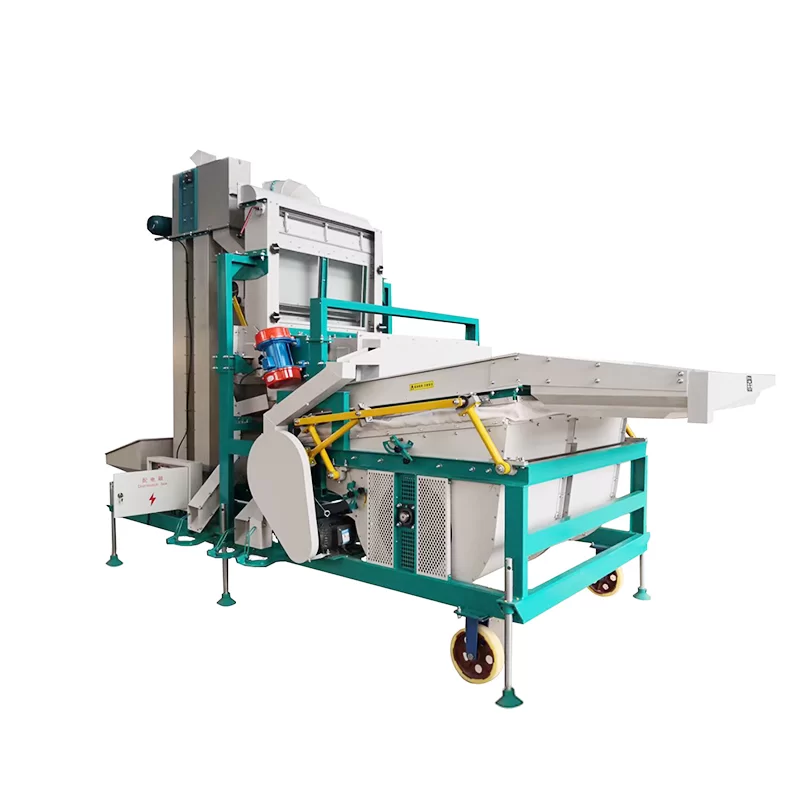
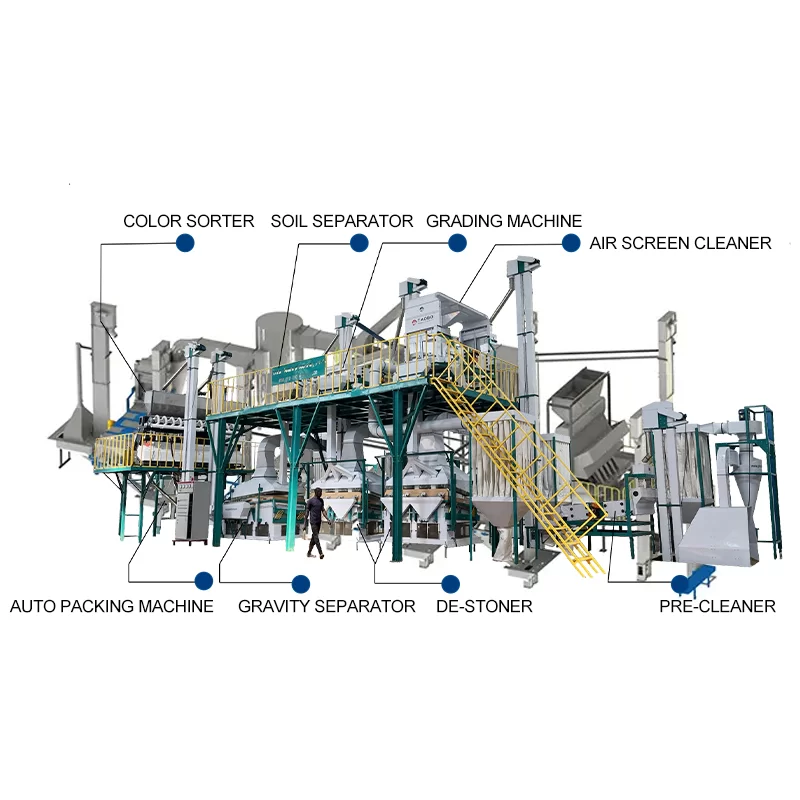
Freshly harvested soybeans and mung beans are considered raw grains with a wide variety of impurities. These include large impurities such as long stalks, weeds, grass roots, clods of earth, soil, and large stones; and small impurities such as fine sand, soil particles, broken beans, and weed seeds. There are also light impurities such as dust, dirt, broken leaves, bean leaves, and bean stalk fragments. The air-screening cleaning machine can effectively remove all these impurities in one pass, directly meeting the cleanliness requirements for storage, oil extraction, sales, and further processing.
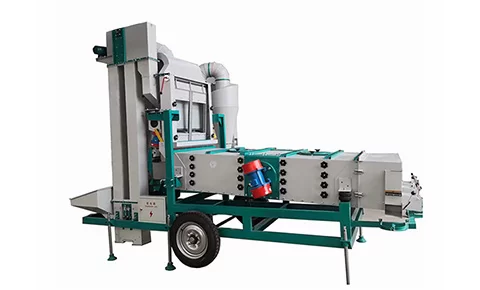
The core principle of the air-screening cleaning machine for soybeans and mung beans is to first remove light impurities through air separation, and then screen to remove impurities of different sizes. It utilizes the differences in aerodynamic characteristics, size, and shape between the material and impurities to achieve precise separation.
I. Core Principle: Air Separation: Utilizing the difference in critical velocity—soybeans/mung beans (high density, high critical velocity) resist the downward flow of air; dust, broken leaves, shriveled grains, and insect-damaged grains (low density, low critical velocity) are sucked away by the airflow.
Screening: Utilizing size differences—using round-hole sieves (by width) and oblong-hole sieves (by thickness) to remove straw, stones, and mud larger than soybeans, and broken beans and sand smaller than soybeans.
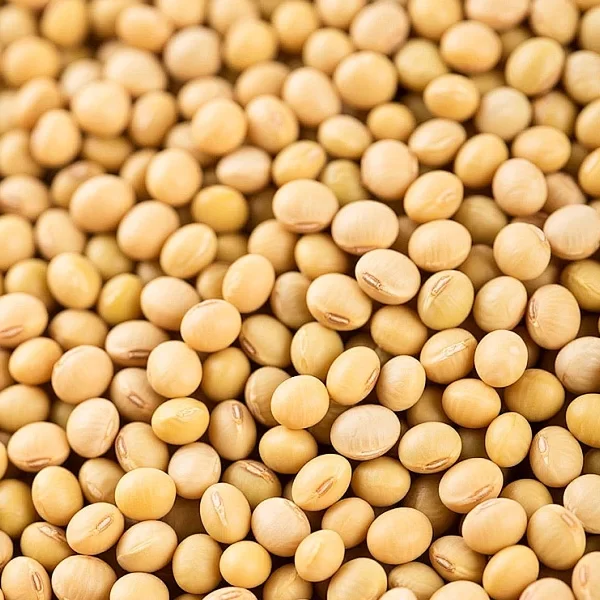
II. Complete Cleaning Process (Soybeans/Mung Beans Only)
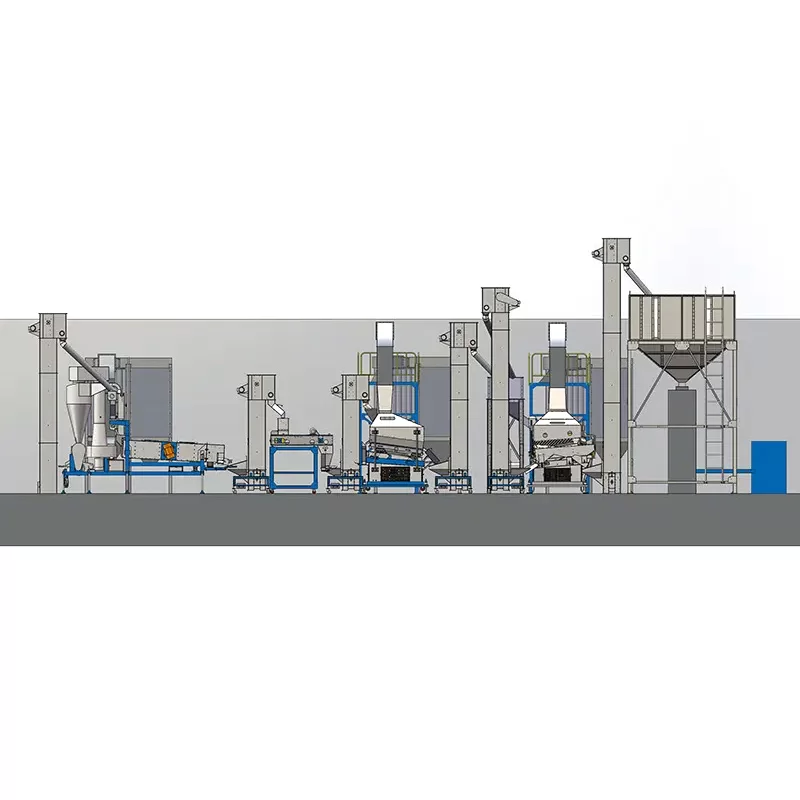
Uniform Feeding and Pre-dispersion: Raw soybeans/mung beans containing impurities are fed into a bulk grain bin/feeder via an elevator, spreading them evenly into a thin layer to fully expose the impurities.
Vertical Air Classification (Removal of Light Impurities): The material falls into the vertical air classification chamber, where a fan generates a stable upward airflow.
Light impurities (dust, broken leaves, shriveled beans, insect-damaged beans) are drawn into a cyclone dust collector by the airflow and discharged through a closed-circuit valve; qualified beans, due to their greater weight, pass through the airflow zone and fall into the lower vibrating screen.
Multi-layer Vibrating Screening (Removal of Large and Small Impurities): Beans enter 2–4 layers of vibrating screens, where the screen surface vibrates reciprocally and moves forward at an inclined angle.
Upper layer large-pore sieve: traps large impurities (straw, mud, large stones), which are discharged through the large impurity outlet; soybeans pass through the sieve holes to the lower layer.
Middle layer standard sieve: The sieve aperture matches the size of soybeans/mung beans; qualified beans pass through the sieve holes; broken beans, small mud particles, sand, and other small impurities remain on the sieve surface and are discharged through the small impurity outlet.
Lower layer fine sieve (optional): further removes extremely fine impurities, improving cleanliness.
Secondary air separation (fine impurity removal, optional): The sieved beans undergo another air suction process to remove residual light impurities, ultimately yielding clean beans, which are discharged through the finished product outlet.
III. Key Parameters and Compatibility Considerations for Soybeans/Mung Beans
Air velocity: Soybeans approximately 8–10 m/s, mung beans approximately 7–9 m/s, just enough to remove light impurities without carrying away plump beans.
Sieve aperture: Soybeans commonly use 7–8 mm round holes; mung beans commonly use 5–6 mm round holes; long-hole sieves separate by thickness, improving grading accuracy.
Vibration: The frequency and amplitude are matched to allow the beans to flow at a uniform speed on the sieve surface and pass through the sieve fully, avoiding clogging or missed selection.
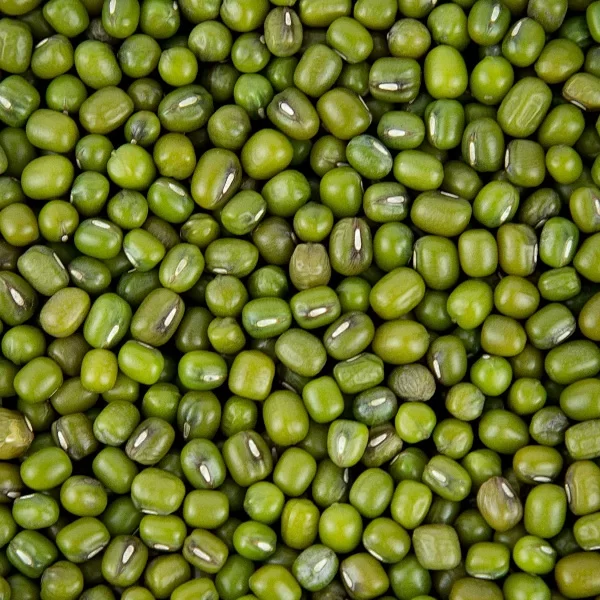
What types of grains and legumes can an air-screen cleaning machine remove impurities from?
Legumes include soybeans, yellow soybeans, mung beans, red beans, black beans, broad beans, peas, kidney beans, common beans, chickpeas, peanuts, coffee beans, etc.
Grains include wheat, corn (small kernels/corn seeds), rice, paddy rice, sorghum, millet, foxtail millet, barley, oats, buckwheat, etc.
Oil crops include rapeseed, sesame, sunflower seeds, etc.
Applicable Scenarios: Grain purchasing points, grain depots, grain collection points; grain processing plants, oil mills, flour mills, feed mills; seed companies, breeding bases, improved seed processing lines; cooperatives, farms, grain cleaning equipment for drying towers; grain and oil wholesale markets, miscellaneous grain processing stores.
Mar. 12, 2026
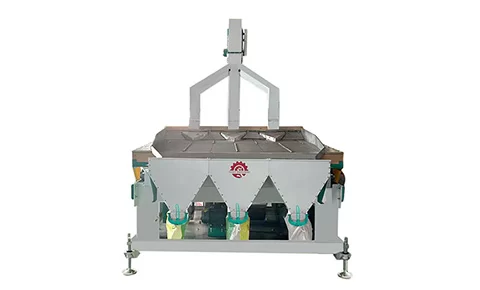
Both destoners (gravity destoners) and gravity separators (gravity sorters) utilize the difference in specific gravity and suspension velocity to clean impurities from sesame seeds.
Mar. 12, 2026
Nigeria is the world's seventh-largest sesame producer and a major exporter. Sesame is a core economic crop in the country's northern and central regions, renowned for its high oil content and high-quality white seeds, with approximately 80% of its production exported.
bscribe newslette