Mar. 12, 2026
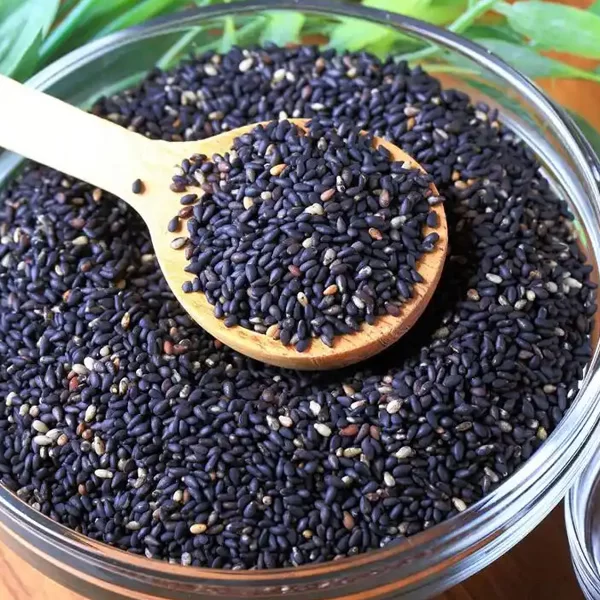
Nigeria is the world's seventh-largest sesame producer and a major exporter. Sesame is a core economic crop in the country's northern and central regions, renowned for its high oil content and high-quality white seeds, with approximately 80% of its production exported.
Freshly harvested sesame contains many impurities, including: light impurities such as dust, broken leaves, sesame stalk fragments, small stalks, and light weed seeds; large impurities such as long stalks, sesame stems, small twigs, leaves, hard grass nodes, sesame capsules (shells), and incompletely threshed pods; heavy impurities such as pebbles, small stones, sand, clods of mud, soil, porcelain shards, small iron filings, nails, and metal particles; and small impurities such as fine sand, powdery sand, broken sesame seeds, and very small weed seeds.
I. Main Production Areas Nigerian sesame is concentrated in the northern Sudanese savanna and central regions, with cultivation possible in approximately 26 states nationwide. The core production areas are as follows:
Nasarawa State: The main production area for top-quality white sesame, centered around Keffi, Lafia, and Doma, producing the highest quality sesame exclusively for the food-grade market.
Jigawa State: The largest production area in the north, primarily producing golden/brown sesame, mainly for oilseed production.
Benue State: The core of the central region, producing both white and mixed sesame, with stable yields.
Other important production areas include: Yobe, Kano, Katsina, Bauchi, Gombe, Plateau, and Kogi states.
II. Production and Scale Global Status: The world's seventh largest sesame producer, with an annual production of approximately 480,000 tons (recent data).
Planting Area: Approximately 3.5 million hectares of land are suitable for cultivation, with about 335,000 hectares currently under cultivation, indicating significant development potential.
Yield Level: Traditional cultivation yields approximately 400–600 kg/hectare; improved varieties combined with appropriate fertilization can achieve 900–1100 kg/hectare.
Growth Trend: Annual growth rate of approximately 6%, with continued expansion driven by exports.
III. Crop System and Agronomy
1. Climate and Soil
Climate: Adapted to tropical savanna climate, drought-tolerant and heat-resistant, requiring 500–1000 mm of annual rainfall.
Soil: Prefers well-drained loam/sandy loam, pH 5.5–6.7; dislikes waterlogged and heavy clay soils.
2. Planting Season (Mainly Two Crops Per Year)
Main Season: Sowing May–July, harvesting September–October (Mainly in the North).
Second Season: Sowing March–April, harvesting July–August (Central/Southern regions, smaller scale).
Total Cycle: 90–150 days, depending on variety and rainfall.
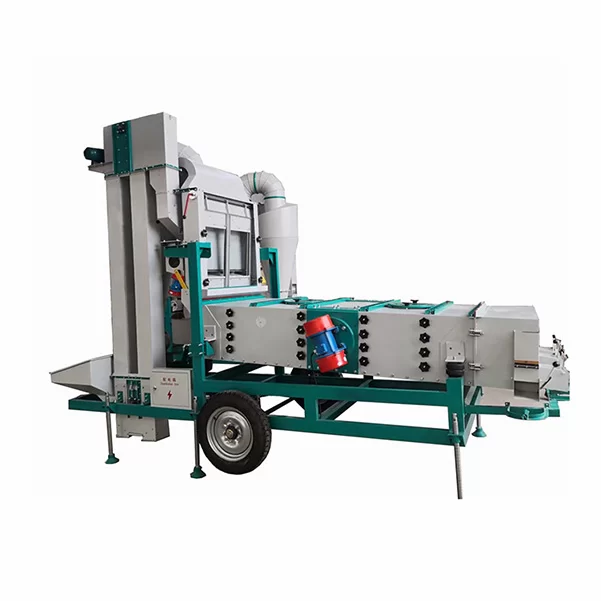
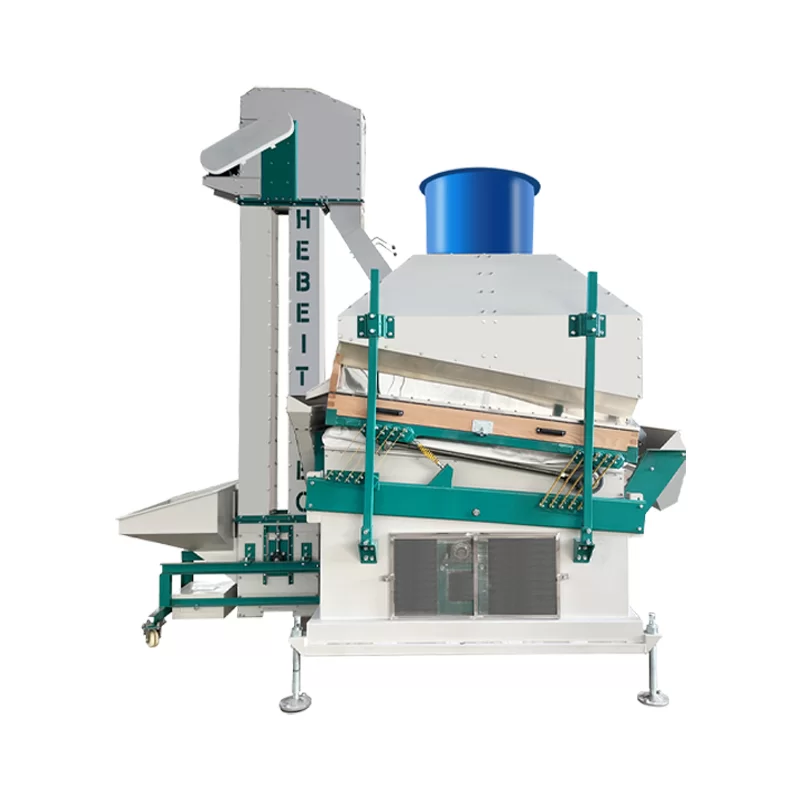
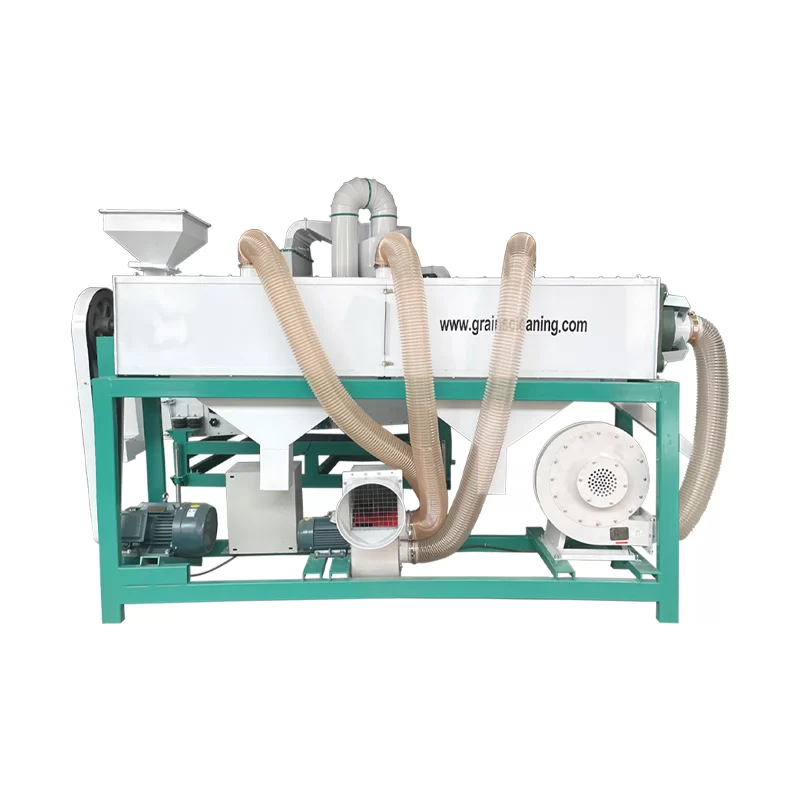
Sesame cleaning first requires the use of an air-screening machine: An air-screening machine is a grain cleaning device that combines airflow separation and vibrating screening. It removes light, large, and small impurities in a single pass by exploiting differences in aerodynamic characteristics, particle size, and shape between materials and impurities, achieving clean grain standards.
1. Working Principle
Airflow Separation Principle: The fan generates a stable airflow that sucks away and separates light impurities such as dust, broken leaves, shriveled grains, empty shells, and straw fragments, retaining plump grains.
Screening Principle: The material moves on a multi-layer vibrating screen surface, classified according to particle size:
Upper Screen: Retains large impurities such as straw, mud, stones, and pods.
Lower Screen: Screens out small impurities such as fine sand, broken particles, and small soil particles.
Middle Layer: Clean and qualified material flows out.
2. Role of the Air-Screening Machine in Sesame Cleaning
Airflow Separation for Light Impurities
Removes: Dust, powder, broken leaves, sesame husks, shriveled grains, empty shells, and light grass seeds.
Upper sieve removes large impurities: long stalks, weeds, pods, large clods of soil, strips of cloth, and plastic sheets.
Lower sieve removes small impurities: fine sand, small mud particles, broken sesame seeds, and other small debris.
Complete in one step: dust removal, leaf removal, stalk removal, shriveled seed removal, and removal of impurities of all sizes, transforming brittle sesame seeds into clean sesame seeds.
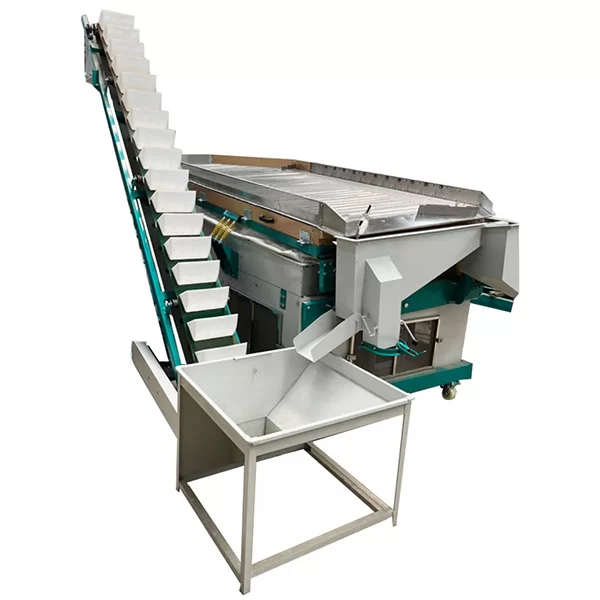
The Role of Gravity Separators in Cleaning Sesame Seeds
1. Core Function: Gravity separators utilize the difference in specific gravity (weight/density) between sesame seeds and impurities. Combined with bottom airflow and vibration sorting, they thoroughly separate plump, good sesame seeds from light, shriveled, empty, broken, and bad sesame seeds, achieving purification, grading, and quality improvement.
It is a key piece of equipment for upgrading sesame seeds from "ordinary clean" to export-grade, food-grade, and oil-pressing-grade.
2. What exactly can be removed?
Shriveled sesame seeds, empty husks, and hollow sesame seeds: Sesame seeds that are not fully grown, hollow, or have only a husk without a kernel, severely affecting oil yield and quality.
Half-seeds, broken sesame seeds, and damaged seeds: Sesame seeds crushed during threshing and transportation, easily absorbing moisture and prone to mold.
Light weed seeds, wild seeds, and insect-damaged seeds: Similar in size to sesame seeds but lighter and less dense, they cannot be removed by air sifting.
Disease-prone seeds, sprouted seeds, and damp, light seeds: Substandard sesame seeds that are internally deteriorated and lighter in weight.
3. The Key Value of a Gravity Analyzer in Sesame Processing
Significantly Improves Sesame Purity: While air sieving and destoning can remove impurities, a gravity analyzer removes "bad seeds," achieving a finished product purity of over 99%.
Increases Oil Yield: Removing shriveled, empty, and broken seeds significantly increases the oil content of sesame seeds, resulting in higher oil extraction efficiency.
Enhances Selling Price and Export Grade: Sesame seeds intended for export and use in food processing must undergo gravity sorting; otherwise, they will not meet grade standards.
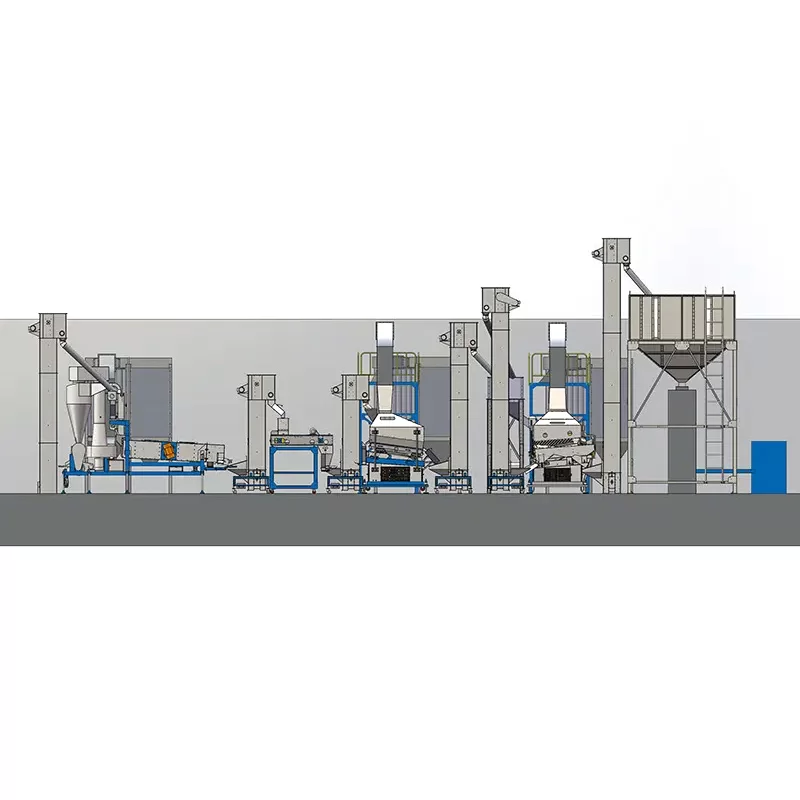
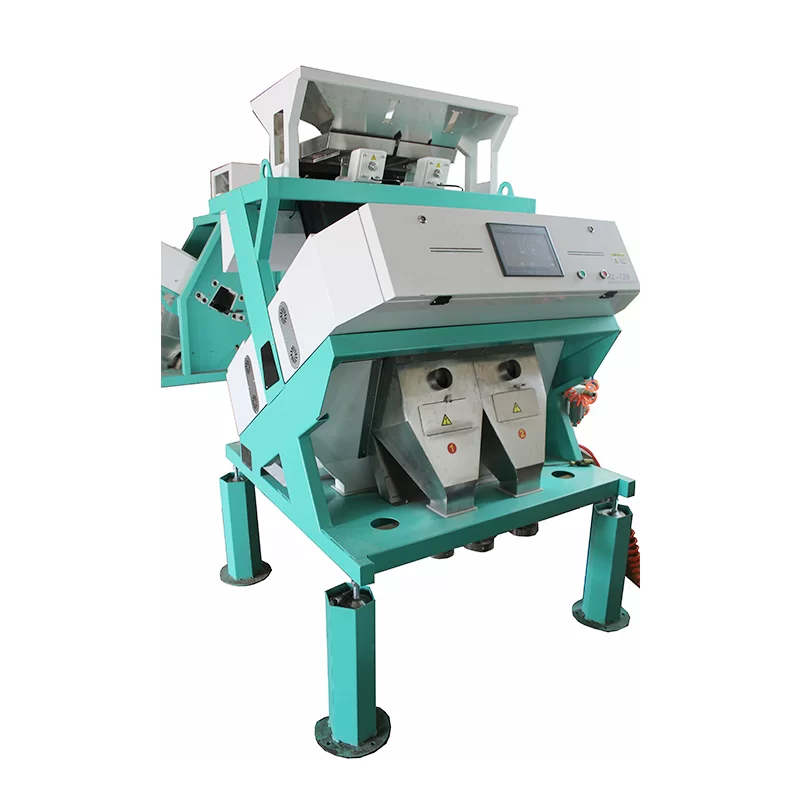
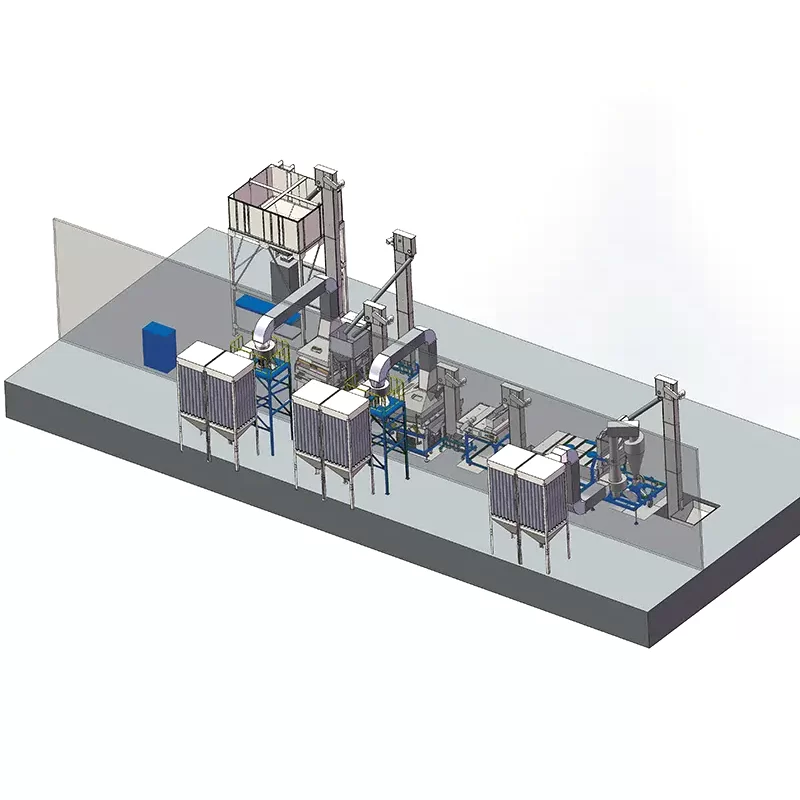
Sesame seed cleaning equipment: Raw sesame seeds → Air screen cleaner → Destoner → Gravity separator → Color sorter → Packaging scale
Only with complete sesame cleaning equipment can you produce clean sesame seeds that are exportable and can fetch a high price.
Mar. 12, 2026
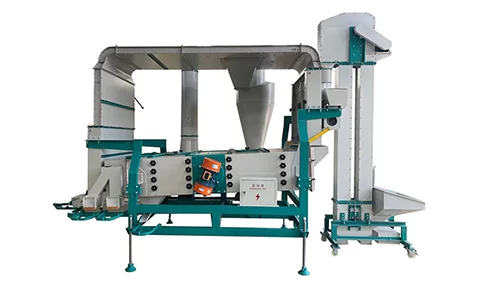
How Does An Air-Screen Cleaning Machine Remove Impurities From Soybeans And Mung Beans?
Freshly harvested soybeans and mung beans are considered raw grains with a wide variety of impurities.
Mar. 12, 2026
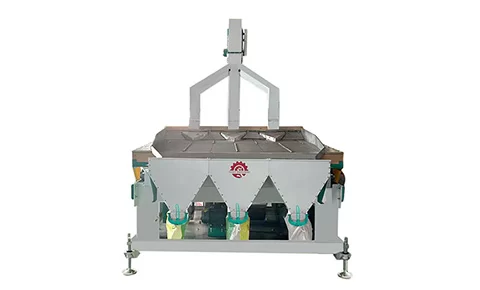
Both destoners (gravity destoners) and gravity separators (gravity sorters) utilize the difference in specific gravity and suspension velocity to clean impurities from sesame seeds.
bscribe newslette