Mar. 12, 2026
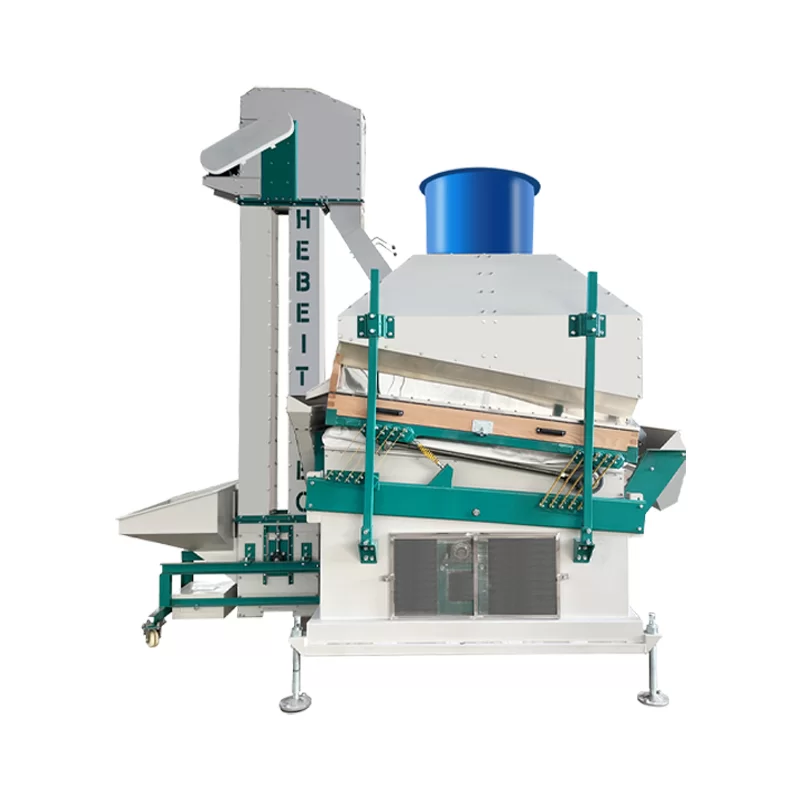
Both destoners (gravity destoners) and gravity separators (gravity sorters) utilize the difference in specific gravity and suspension velocity to clean impurities from sesame seeds. However, destoners specifically target heavy impurities (pebbles/mud lumps), while gravity separators handle both light and heavy impurities and seed grading. Their principles and focuses differ.
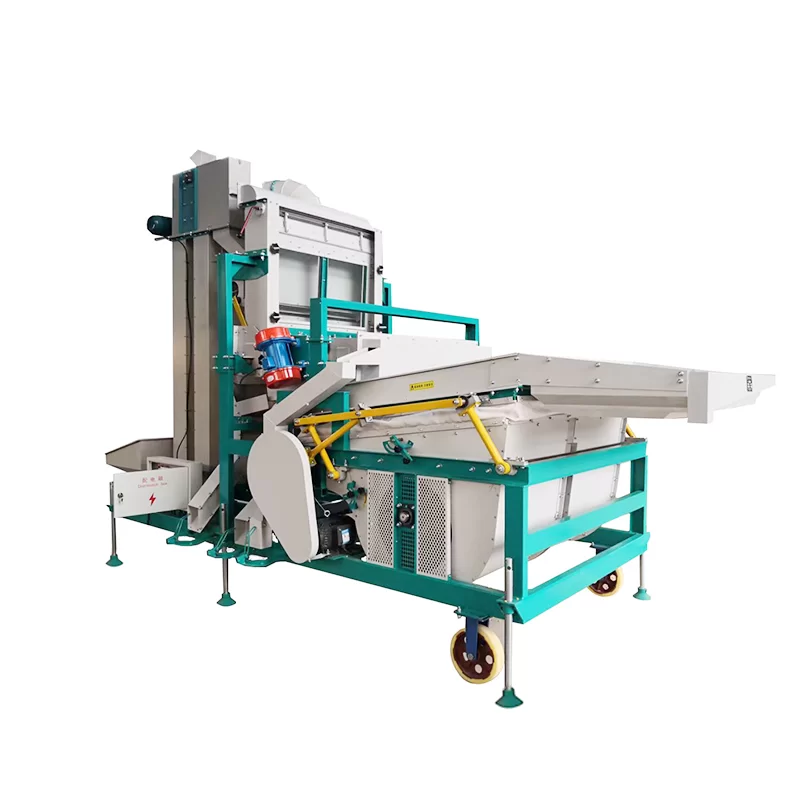
I. Destoner (Gravity Destoner): Specifically removes heavy impurities (pebbles, mud lumps, and adjacent stones) from sesame seeds.
Core Principle: Utilizing the difference in specific gravity and suspension velocity between sesame seeds (specific gravity ≈ 0.85–0.95) and pebbles (specific gravity ≈ 2.5–2.7), stratification and directional separation are achieved through vibration, airflow, and an inclined screen surface.
Working Process (Sesame Seed Specific):
Feeding and Distribution: Sesame seeds enter through the feed hopper and are evenly distributed onto the inclined vibrating screen surface (usually 10°–15°) by a distribution plate. Fluidization and Automatic Grading: High-frequency vibration of the screen surface + upward airflow from the bottom fan increases the porosity of the sesame seed layer, resulting in a fluidized suspension; heavier stones/mud settle to the bottom and adhere to the screen surface, while lighter sesame seeds float on top.
Directional Motion Separation:
Upper Sesame Seeds: Driven by gravity, inertia, and continuous feeding, they slide down the screen surface to the clean sesame seed outlet.
Lower Stones: Lifted by vibration inertia and airflow, they climb up the slope to the aggregate/selection zone.
Selection and Impurity Removal: The reverse airflow in the selection zone blows a small amount of sesame seeds entrained in the stones back to the material layer, while pure stones are discharged; lighter impurities (broken leaves, shriveled shells) are extracted by the suction system.
Selection and Impurity Removal: The reverse airflow in the selection zone blows a small amount of sesame seeds back into the material layer, while pure stones are discharged; lighter impurities (broken leaves, shriveled shells) are removed by the suction system.
Key Parameters (Sesame Suitable)
Air Pressure: Moderate, suspending sesame seeds and preventing stones from being blown away.
Amplitude/Frequency: High frequency, small amplitude, enhancing fluidization and grading.
Sieve Openings: Slightly smaller than sesame seed particle size, preventing seed leakage and allowing only airflow.
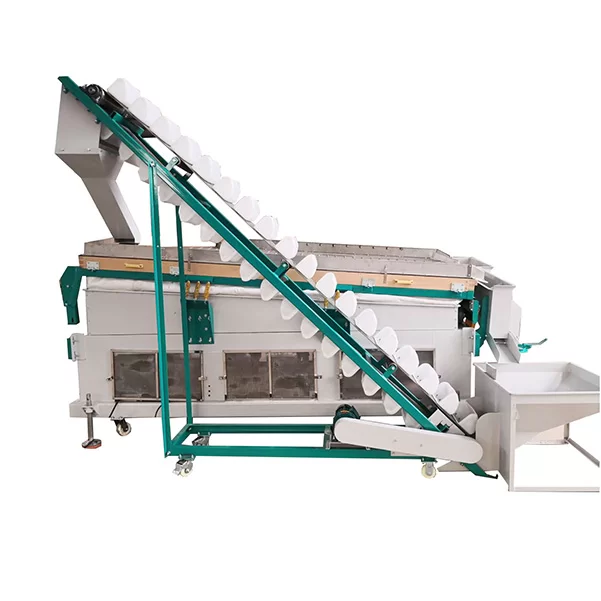
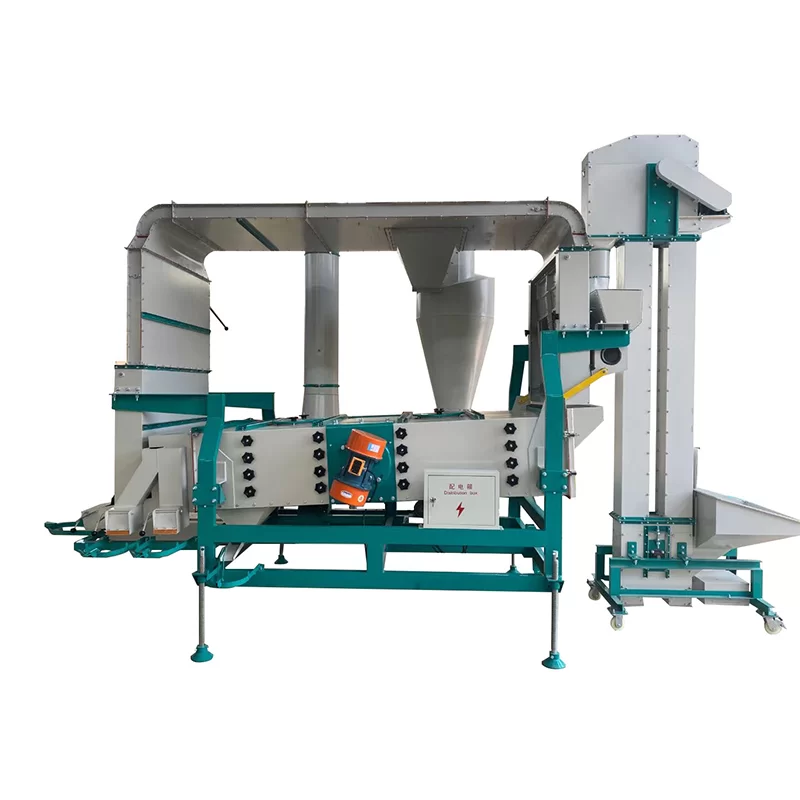
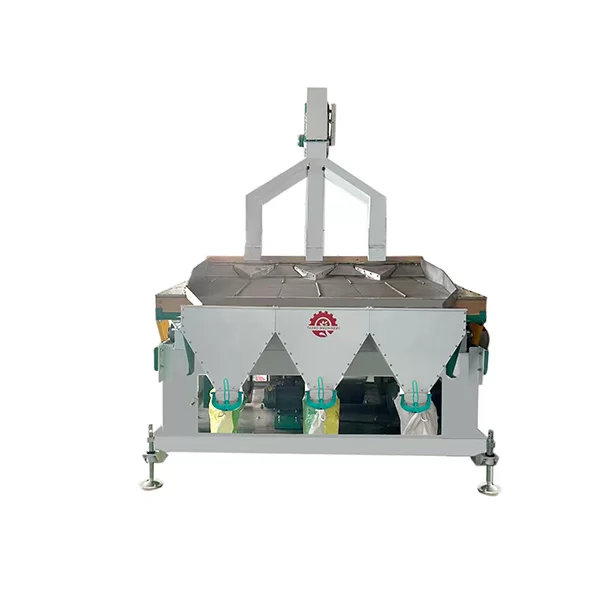
II. Gravity Meter (Gravity Selector): Fine Separation of Sesame Seeds (Removal of Light and Heavy Impurities + Grading)
Core Principle: Based on the specific gravity gradient differences between plump sesame seeds, shriveled seeds, empty shells, moldy seeds, and stones, precise sorting is achieved using negative/positive pressure suspension + vibration grading + multi-segment gravity tables, offering higher precision and more comprehensive functions than destoners.
Workflow (Sesame Dedicated)
Negative Pressure Suspension: Material enters the inclined gravity table; the fan generates negative pressure, suspending the sesame seeds as a whole, eliminating friction between particles and preparing for grading.
Vibration-based stratification: The gravity table vibrates reciprocally, automatically stratifying particles of different specific gravities:
Heaviest: Stones, metal blocks (bottom layer)
Medium-heavy: Plump sesame seeds (middle layer)
Light: Shriveled grains, empty shells, moldy grains, broken leaves (top layer)
Directional discharge:
Heavy (stones): Climbs upwards along the gravity table and exits from the heavy impurity outlet.
Plump sesame seeds: Slides down the table at medium speed and exits from the finished product outlet.
Light impurities: Slides rapidly with the airflow/vibration and exits from the light impurity outlet.
Multi-stage grading (optional): Six-stage discharge outlets can separate stones, heavy sesame seeds, medium sesame seeds, light sesame seeds, shriveled grains, and empty shells, achieving a purity of up to 99.5%.
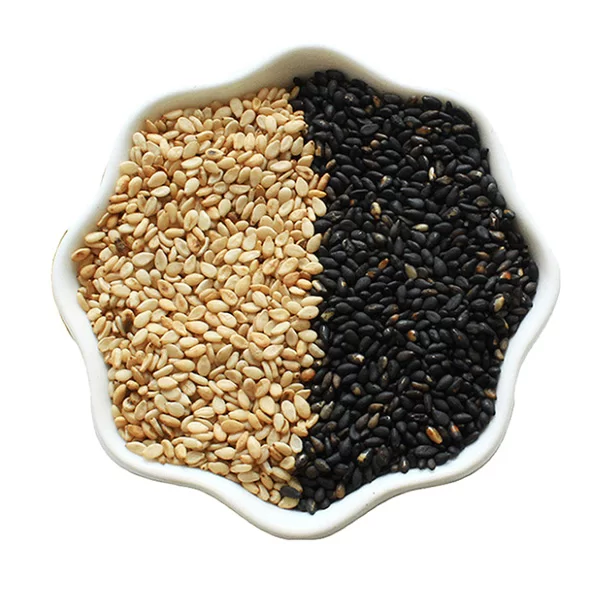
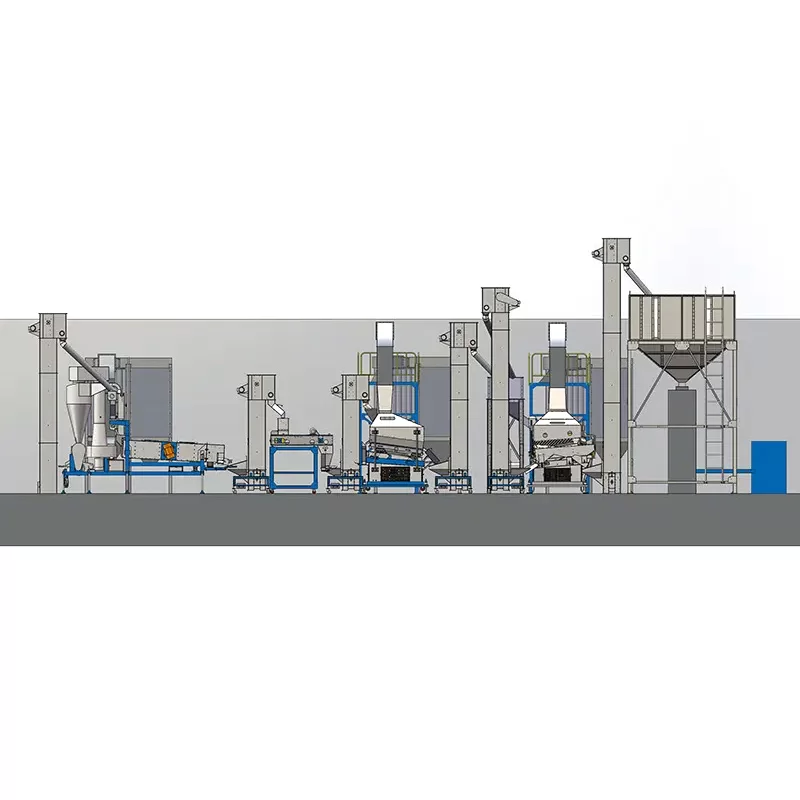
Why is air screening necessary before stone removal?
1. Preventing large impurities from clogging the destoner (most critical)
The internal structure of a gravity destoner: narrow feed inlet, small screen plate gaps, small fish-scale holes/screen openings, and narrow air ducts. If raw materials are fed in directly without air screening: straw, weeds, leaf stalks, large clods of mud → get stuck at the feed inlet, clogging the screen plates and air ducts, preventing the material from spreading evenly.
2. Dust will disrupt "airflow fluidization," rendering the destoner inoperable.
The core principle of the destoner: bottom airflow → sesame seed suspension fluidization → stone sedimentation and separation.
If there is no dust removal or air screening beforehand: a large amount of fine dust enters the destoner, clogging the screen openings → insufficient airflow, sesame seeds cannot suspend properly, resulting in chaotic stratification, and stones cannot be removed; the sesame seeds will follow the stones.
3. Light impurities (empty shells, grass clippings) will interfere with stratification, leading to incomplete destone removal.
The destoner stratifies by specific gravity: Sesame seeds: light → float; stones: heavy → float. If light impurities are not removed beforehand: shriveled husks, grass clippings, and empty grains float on the top layer, blocking airflow and pressing down the sesame seed layer. This disrupts the fluidization process, preventing stones from passing through. The grain chute will contain stones, and the stone chute will contain grain.
Mar. 12, 2026
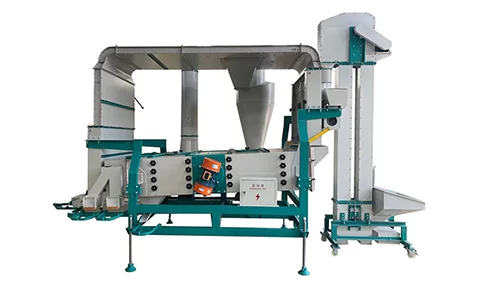
How Does An Air-Screen Cleaning Machine Remove Impurities From Soybeans And Mung Beans?
Freshly harvested soybeans and mung beans are considered raw grains with a wide variety of impurities.
Mar. 12, 2026
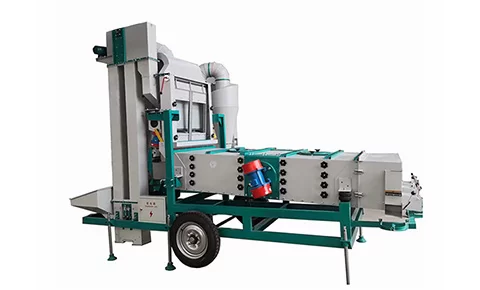
Nigeria is the world's seventh-largest sesame producer and a major exporter. Sesame is a core economic crop in the country's northern and central regions, renowned for its high oil content and high-quality white seeds, with approximately 80% of its production exported.
bscribe newslette